
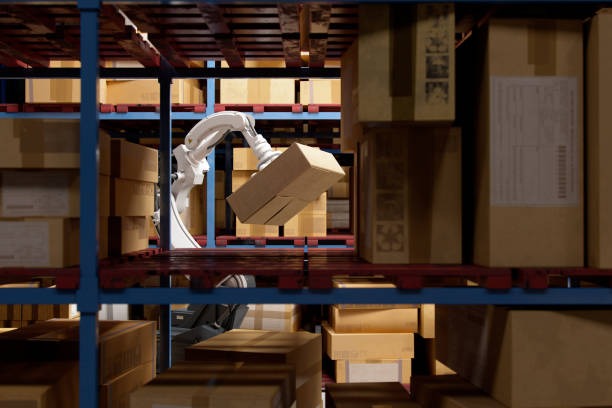
Supply chains are becoming more complex as businesses manage higher customer expectations, global sourcing, and faster delivery timelines. To stay competitive, companies are embracing Logistics automation to streamline operations and eliminate repetitive manual tasks. From inventory management to transportation planning, automation is transforming how goods move from suppliers to customers. Businesses that invest in smart technologies often experience greater productivity, improved accuracy, and stronger customer satisfaction.
Modern organizations understand that efficiency is no longer achieved simply by increasing workforce capacity. Instead, intelligent systems help reduce delays, improve communication, and provide real-time operational insights. As a result, Logistics Automation has become an essential strategy for companies seeking long-term growth while maintaining cost-effective operations.
Why Logistics Automation is changing modern supply chains
The adoption of Logistics Automation is reshaping traditional logistics by replacing manual processes with intelligent digital workflows. Automated systems collect, process, and analyze operational data much faster than manual methods, allowing businesses to make informed decisions quickly.
Automation supports warehouse operations, transportation management, inventory control, and shipment tracking. Instead of relying on paperwork or disconnected software, companies gain a unified view of their supply chain. This level of transparency helps reduce operational bottlenecks while improving coordination across multiple departments.
Organizations also benefit from consistent workflows that reduce human errors and improve compliance with operational standards. As supply chains become increasingly data-driven, automation serves as the backbone of efficient logistics management.
How Logistics Automation increases operational efficiency
One of the biggest advantages of Logistics Automation is its ability to eliminate repetitive manual work. Employees can spend less time entering data and more time focusing on strategic planning, customer service, and business growth.
Automation continuously monitors inventory, shipment progress, warehouse capacity, and transportation schedules. When unexpected disruptions occur, automated systems can generate alerts immediately, allowing businesses to respond before problems escalate.
Instead of reacting after delays happen, organizations can proactively optimize delivery routes, inventory allocation, and warehouse resources. This proactive approach improves overall operational performance while reducing unnecessary expenses.
Logistics Automation improves inventory accuracy
Inventory accuracy plays a critical role in supply chain efficiency. Even small inventory discrepancies can lead to delayed deliveries, excess stock, or lost sales.
With Logistics Automation, inventory updates occur automatically whenever products are received, moved, or shipped. Barcode scanning, RFID technology, and warehouse management software work together to maintain accurate inventory records.
Real-time inventory visibility also allows businesses to forecast demand more accurately. Better forecasting reduces overstocking and stock shortages while improving purchasing decisions throughout the supply chain.
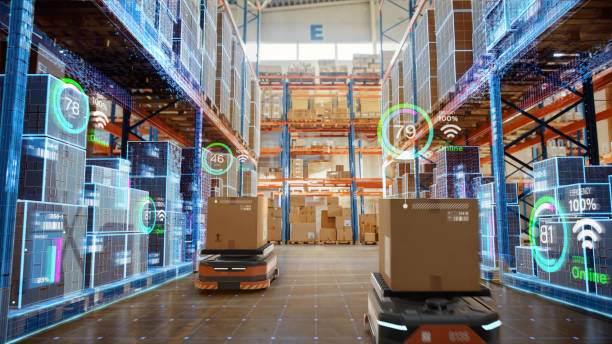
Key benefits businesses gain through automation
Companies implementing Logistics Automation often notice measurable improvements across multiple business functions. Some of the most valuable advantages include:
- Reduced operational costs through fewer manual processes.
- Faster order processing and shorter delivery times.
- Improved inventory visibility and stock accuracy.
- Better customer satisfaction through reliable shipment tracking.
These benefits create a stronger competitive advantage while enabling businesses to scale operations more efficiently without significantly increasing operational complexity.
Better visibility leads to smarter decision-making
One of the greatest strengths of Logistics Automation is real-time visibility across the entire supply chain. Decision-makers can monitor inventory levels, shipment locations, warehouse performance, and transportation schedules from centralized dashboards.
Instead of relying on outdated reports, managers receive current information that supports faster and more confident decisions. Real-time analytics help identify inefficiencies, forecast demand fluctuations, and improve resource allocation.
Greater visibility also strengthens collaboration between suppliers, logistics providers, warehouses, and customers. Everyone involved gains access to accurate information, reducing communication gaps and operational delays.
Automation strengthens warehouse productivity
Warehouse operations involve numerous repetitive tasks that can slow productivity when handled manually. Logistics Automation improves warehouse efficiency through automated picking systems, digital inventory tracking, smart storage allocation, and optimized order fulfillment.
Automated workflows reduce picking errors while improving order accuracy. Employees receive optimized picking routes, helping them complete tasks faster without unnecessary movement throughout the warehouse.
Warehouse automation also improves space utilization by recommending efficient storage locations based on inventory turnover. This optimization enables warehouses to process larger order volumes without requiring significant facility expansion.
Reducing transportation challenges with smart technology
Transportation represents one of the most expensive components of supply chain operations. Logistics Automation helps companies optimize delivery routes using traffic conditions, weather forecasts, fuel consumption data, and delivery priorities.
Automated transportation management systems continuously evaluate route performance and recommend improvements that minimize delivery delays and transportation costs.
Businesses also benefit from automated shipment notifications that keep customers informed throughout the delivery process. Improved communication reduces customer inquiries while increasing confidence in delivery reliability.
Preparing supply chains for future growth
As markets continue evolving, businesses require flexible systems capable of adapting to changing customer demands. Logistics Automation provides scalable solutions that support expansion without overwhelming existing operations.
Cloud-based automation platforms integrate easily with warehouse management systems, transportation software, enterprise resource planning platforms, and customer relationship management tools. This integration creates a connected ecosystem where information flows seamlessly between departments.
Artificial intelligence, predictive analytics, and machine learning will further enhance automation capabilities in the coming years. Businesses adopting automation today will be better positioned to respond to future market changes while maintaining operational excellence.
Conclusion
Supply chain efficiency depends on speed, accuracy, visibility, and continuous improvement. Logistics Automation delivers these advantages by reducing manual work, improving inventory accuracy, optimizing transportation, and strengthening warehouse operations. Businesses that embrace automation gain greater control over their logistics processes while improving customer satisfaction and reducing operational costs.
As technology continues to evolve, Logistics Automation will remain a key driver of competitive advantage across industries. Companies that invest in intelligent automation today are building resilient, efficient, and future-ready supply chains capable of meeting tomorrow’s business challenges.
Leave a Reply